Table des matières
L'irrigation est une forme de technologie et de sagesse que les humains ont continuellement affinée et résumée à travers la pratique agricole.. Cela améliore non seulement considérablement la qualité et l’efficacité de la production agricole, mais apporte également un confort important aux agriculteurs dans leur travail.
La technologie d’irrigation a fait de la manière traditionnelle de dépendre de la météo pour se nourrir une chose du passé., donner aux agriculteurs une plus grande initiative pour contrôler les résultats de croissance et le rendement de leurs cultures.
Cependant, il faut reconnaître que de nombreux problèmes surviennent encore lors du processus d'irrigation. Nous devons faire face à ces problèmes et travailler activement pour les résoudre. Cet article répertorie certains problèmes communs et des solutions correspondantes pour chaque composant d'un système d'irrigation.
Source d'eau

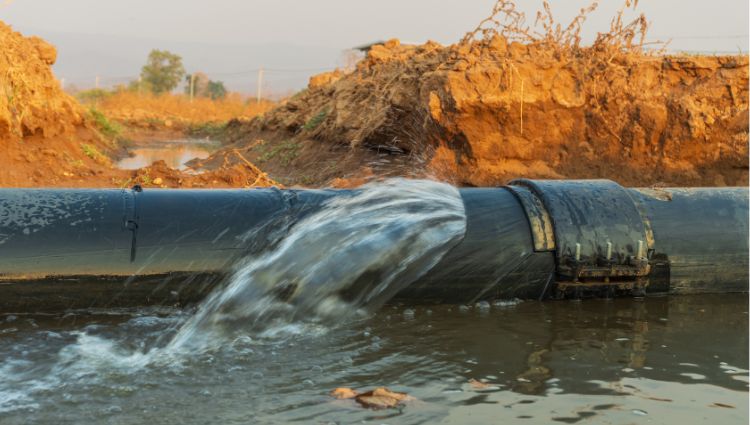
La source d’eau est extrêmement importante : elle détermine si l’ensemble du système d’irrigation peut fonctionner correctement. Parfois, des problèmes avec la source d’eau peuvent entraîner un fonctionnement anormal du système d’irrigation, courir seulement pendant une courte période, ou tombe fréquemment en panne pendant le fonctionnement.
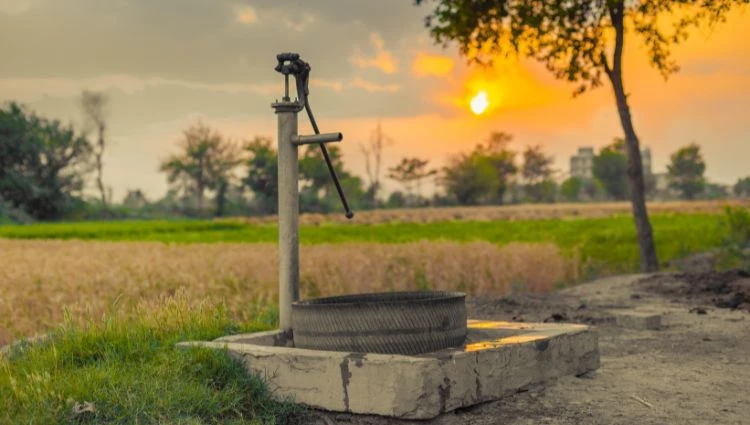
Les sources d’eau peuvent être principalement divisées en eaux de surface et eaux souterraines.. Quant aux eaux de surface, il contient généralement une grande quantité de matières en suspension et d'autres impuretés. Si nous voulons utiliser ce type d'eau, nous devons utiliser des agents chimiques pour filtrer les impuretés. Concernant les eaux souterraines, d'une part, il contient de riches minéraux; d'autre part, il a souvent des problèmes avec les niveaux de pH. Nous devons l'ajuster en fonction de son acidité ou de son alcalinité avant de pouvoir l'utiliser pour l'irrigation..
En plus des eaux de surface et des eaux souterraines, l'eau de pluie et l'eau de mer peuvent également servir de sources d'eau, mais ils doivent aussi être traités avant d'être mis en service.
Quel que soit le type de source d’eau, le problème le plus essentiel à résoudre est celui des impuretés. La source d'eau brute doit être filtrée. Il existe généralement plusieurs façons de traiter les impuretés. Par exemple, nous pouvons construire un bassin de stockage d'eau, permettant aux impuretés de l'eau de se déposer naturellement. Si cette méthode n'est pas assez approfondie, nous devrons utiliser différents types d’équipements de filtration pour traiter les impuretés. Par exemple, un filtre à sable peut éliminer le limon, algues, et des impuretés organiques plus importantes. Un séparateur de sable à hydrocyclone peut également filtrer les grosses particules. Des filtres tels que le filtre à disque et le filtre à tamis peuvent éliminer des impuretés encore plus petites et améliorer encore la précision de la filtration..
Parfois, pour maximiser l’effet de filtration d’une source d’eau, différents types de filtres peuvent être combinés pour former un système de filtration, ce qui améliore considérablement les performances globales de filtrage.
Pompe à eau

Les systèmes d’irrigation sont utilisés dans un large éventail de contextes, comme les zones montagneuses, champs en terrasses, plaines, Et plus. Nous devons choisir la bonne pompe à eau en fonction du scénario d'application spécifique, en tenant compte à la fois de la hauteur d'élévation et du débit.
Comment choisir une pompe à eau appropriée est en fait une question très courante et importante. Pour répondre à cela, la première chose que nous devons considérer est le type de zone d’irrigation et la source d’eau. Si votre zone d'irrigation est située dans des régions montagneuses ou en terrasses avec de grands dénivelés, nous recommandons d'utiliser une pompe centrifuge, car il offre une tête plus haute. Si votre zone d'irrigation est sur un terrain plat comme une plaine, alors une pompe à flux axial est plus adaptée. Si la zone est plus complexe et comprend à la fois des plaines et un terrain vallonné ou montagneux, alors tu devrais opter pour une pompe à débit mixte, car elle combine les caractéristiques des pompes centrifuges et axiales.
Les pompes mentionnées ci-dessus conviennent aux systèmes d'irrigation à grande échelle. Mais et si tu’réirriguer un petit verger? Dans ce cas, une pompe submersible suffit amplement!
Une autre question importante concernant les pompes à eau est de savoir comment choisir le bon débit.. Parfois, basé sur des calculs mathématiques, nous pourrions déterminer qu'une pompe à eau avec un débit de 1000 L/h est nécessaire. Cependant, en pratique, utiliser une pompe avec exactement ce débit n'est souvent pas suffisant. C'est parce que, pendant l'écoulement de l'eau, un frottement se produit, ce qui affecte le débit réel. Donc, nous devons acheter une pompe avec un débit supérieur à la valeur théorique calculée pour répondre à la demande réelle.
Filtre

Comme mentionné précédemment, les filtres jouent un rôle important dans la résolution du problème des impuretés dans la source d’eau. Cependant, il existe de nombreux types de filtres différents. Ci-dessous, nous présenterons les similitudes et les différences entre les différents filtres pour vous aider à résoudre le problème de savoir comment choisir le bon.
Dans les projets d'irrigation, les filtres déterminent si le système peut fonctionner de manière stable et pendant une longue période. Nous devons organiser différents équipements de filtration selon différents scénarios.
Au stade de la filtration primaire, nous recommandons généralement d'utiliser un filtre hydrocyclonique et un filtre à sable, car ils sont principalement utilisés pour filtrer les impuretés plus grosses. Le filtre hydrocyclone utilise la force centrifuge pour éliminer les grosses particules de sable et de gravier, mais ce n'est pas très efficace pour les impuretés plus fines, ce qui peut entraîner des blocages du système. Dans ce cas, nous pouvons utiliser le filtre à sable pour éliminer davantage les petites impuretés.
Vient ensuite l’étape de filtration secondaire. Dans cette étape, le filtre à disque et filtre d'écran sont principalement utilisés. Leurs différences peuvent être comprises en se référant au tableau comparatif ci-dessous:
| Filtre d'écran | Filtre à disque | |
| Principe de structure | Interception de maillage multicouche, flux détourné à travers des trous de maille | Disques minces empilés avec filtration croisée, comprimé par le ressort |
| Précision de filtration | Filtration grossière (>50 µm) | Filtration fine (20–200 μm) |
| Efficacité du flux | Faible débit, adapté aux débits faibles à moyens | Débit élevé, adapté aux systèmes à haut débit |
| Coût d'entretien | Nécessite un rinçage/remplacement régulier, coût élevé | La rétroconsommation est automatisée, faible coût |
| Scénario d'application | Irrigation avec une bonne qualité d'eau et moins d'impuretés | Irrigation goutte à goutte avec de l'eau trouble et plus d'impuretés |
En général, après passage par les étapes de filtration primaire et secondaire, les impuretés de l'eau sont efficacement éliminées, évitant ainsi les blocages du système.
Régulateur de pression

Dans les systèmes d'irrigation, les problèmes de pression ont toujours été importants et courants. Différents scénarios d'irrigation et pipelines ont des exigences de pression différentes. Lors de l'installation d'un système d'irrigation, nous devons nous demander si les tuyaux, ainsi que les composants de goutte-à-goutte et d'arrosage installés à l'extrémité du pipeline, peut résister à la pression.
Dans les zones plates, la pression ne varie pas beaucoup, nous pouvons donc simplement acheter des produits associés en fonction des paramètres de pression recommandés. Mais dans des zones à altitudes variables, la pression va changer, et on ne peut pas traiter toutes les situations de la même manière. Si le tuyau ne peut pas résister à la pression à un certain endroit, un régulateur de pression doit y être installé pour éviter que le tuyau ne se fissure en raison d'une pression excessive, ce qui affecterait le fonctionnement de l’ensemble du système d’irrigation.
Les régulateurs de pression courants comprennent des réducteurs de pression, vannes à siège incliné, et ainsi de suite. Typiquement, un réducteur de pression peut être installé sur la canalisation principale. Au bout du pipeline, des vannes à siège incliné relativement simples sont souvent utilisées pour empêcher les gicleurs, nageurs, micro-pulvérisateurs, et produits similaires d'être endommagés par une pression excessive.
Pipeline principal

Pour le pipeline principal, les problèmes les plus courants sont le blocage et la rupture.
Concernant le blocage, ce problème est probablement lié à des problèmes avec le filtre. Lorsqu'une grande quantité d'impuretés pénètre dans le pipeline, cela peut provoquer un colmatage. En cas de blocage, nous pouvons d'abord utiliser le manomètre sur le pipeline pour déterminer quelle partie est bloquée. Alors, libérer l'eau et nettoyer les deux côtés de la section affectée. Enfin, utiliser une pince de réparation (Couplage de cour) ou d'autres raccords pour réparer le pipeline. Après la réparation, vérifiez le filtre pour les problèmes - nettoyez la maille du filtre ou remplacez le filtre directement.
Quant à la rupture, ce problème peut être causé par des facteurs environnementaux ou une erreur humaine. Bien sûr, cela pourrait aussi être lié à la durée de vie du pipeline.
Les facteurs environnementaux font référence à des situations dans lesquelles des conditions météorologiques extrêmes ou des problèmes de pH de l'eau peuvent provoquer la rupture du tuyau.. Dans de tels cas, nous devons déterminer si le tuyau est adapté aux conditions du sol et au climat de la région. Une solution temporaire consiste à le réparer rapidement avec un collier de réparation de tuyau ou un raccord similaire.. Ensuite, réfléchissez à l'opportunité de le remplacer par un produit de pipeline plus adapté lors d'une utilisation future..
Les facteurs humains font référence aux dommages causés au pipeline pendant la construction. Le remède est le même : la pièce endommagée peut être réparée ou remplacée. Cependant, les superviseurs devraient renforcer la gestion pour éviter que de tels problèmes d'origine humaine ne se reproduisent.
Concernant la durée de vie du pipeline, nous devons comprendre que les produits en plastique subiront inévitablement une usure au cours de longues périodes d'utilisation. Certains pipelines sont posés au sol, tandis que d'autres sont peu profonds enfouis sous terre, et le degré d'usure diffère dans chaque cas. Les travailleurs peuvent évaluer s'il convient de remplacer le pipeline en fonction du niveau d'usure et des coûts associés..
Pipeline de dérivation

Pour les canalisations de dérivation, les problèmes les plus courants sont une pression insuffisante et le choix de la méthode d'irrigation.
Quand il s'agit de problèmes de pression, cela concerne principalement la taille du tuyau. La taille du tuyau de dérivation est généralement plus petite que celle du pipeline principal afin que l'extrémité du pipeline puisse atteindre une pression et un débit appropriés.. Bien sûr, plus le tuyau est petit ne signifie pas toujours mieux c'est - cela dépend de la vitesse d'écoulement, perte de pression, coût d'entretien, et la pression de tout le système. En bref, Choisir la bonne taille de tuyau améliorera considérablement à la fois l'efficacité et la rentabilité de l'irrigation..
Quant aux méthodes d'irrigation, différentes méthodes peuvent avoir des effets différents sur la croissance des cultures. Les méthodes d'irrigation courantes incluent l'irrigation goutte à goutte, micro-aspersion, micro-aspersion inversée, irrigation de l'arrosage, irrigation par pistolet à pluie, et irrigation par inondation.
Alors, comment choisir la bonne méthode d’irrigation? Cela dépend principalement de la culture, type de sol, et coût économique.
Pour les cultures, la clé est ce que tu’re grandissant. Par exemple, l'irrigation par aspersion est souvent utilisée pour les arbres fruitiers, alors que le riz a besoin d'une irrigation par inondation. Bleuets, d'autre part, nécessitent une irrigation goutte à goutte plus délicate.
Quant au type de sol, il’s principalement divisé en deux grandes catégories: sol argileux et sol sableux. Le sol argileux a naturellement une humidité plus élevée et une meilleure rétention d’eau, donc moins de séances d'irrigation par jour peuvent suffire pour obtenir une bonne infiltration. Sol sableux, en raison de sa faible rétention d’eau et de sa perte d’eau plus rapide, nécessite une irrigation goutte à goutte plus fréquente pour garantir que les racines reçoivent suffisamment d’eau et de nutriments.
Quant au coût économique, c'est aussi un facteur très important. Les systèmes goutte à goutte et micro-aspersion sont relativement plus chers que les autres méthodes d’irrigation, mais ils produisent une meilleure croissance des plantes et utilisent l’eau plus efficacement. S’il existe une base économique solide, il est toujours recommandé d’opter pour la micro-irrigation ou l’irrigation goutte à goutte. Cependant, pour ceux qui ont un budget limité, les arroseurs et les pistolets à pluie sont également de bonnes options.
Goutteurs

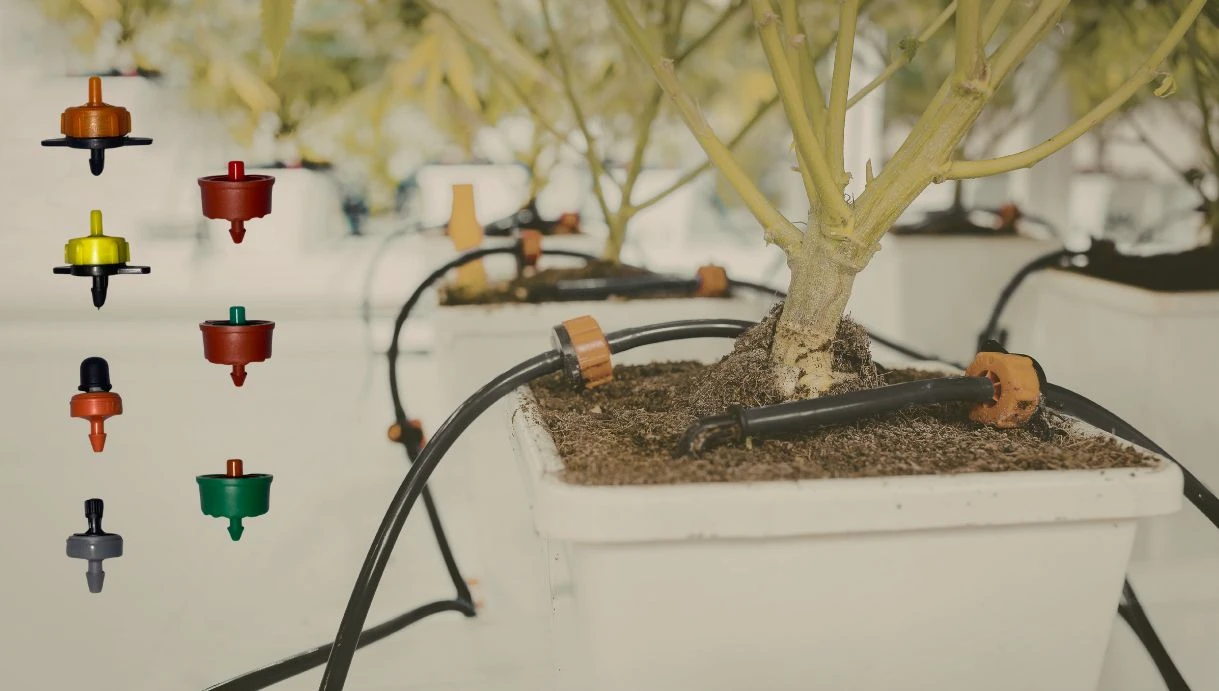
Quand il s'agit de goutteurs, les principaux problèmes auxquels nous devons faire face sont le colmatage, sélection du débit, et problèmes de pression.
Concernant le colmatage, la raison principale reste la présence d'impuretés dans le pipeline, ce qui provoque le blocage des goutteurs. Il y a deux solutions. L'un est le filtre: remplacez-le par un filtre ayant une précision de filtration plus élevée. L'autre est la source d'eau: si la source d'eau elle-même est trouble, on peut envisager d'ajouter un décanteur pour réduire la pression sur le filtre. Bien sûr, il faut également tenir compte du pH de l'eau, et ajouter certains produits chimiques pour ajuster la qualité de l'eau.
Outre ces deux solutions, nous devons également prêter attention à l'entretien des pipelines (rinçage régulier des tuyaux et lavage à contre-courant des filtres) pour maintenir tous les équipements en bon état de fonctionnement..
Quant au débit des goutteurs, nous devons comprendre les besoins en eau aux différents stades de croissance des cultures pour choisir un goutteur avec le bon débit.
Concernant les problèmes de pression, nous devons déterminer si le système d'irrigation goutte à goutte est situé sur un terrain plat ou dans des zones à altitudes variées. Dans les zones plates, nous pouvons choisir des goutteurs à débit réglable, ou goutteurs avec fonctions de compensation de pression. Mais en montagne, vallonné, ou zones en pente, nous devons utiliser des goutteurs à compensation de pression pour assurer une croissance plus uniforme des cultures.
En outre, une pression de travail trop élevée peut endommager les goutteurs, tandis qu'une pression trop basse pourrait empêcher l'eau de sortir du tout.. Si’s goutteurs à débit réglable ou goutteurs à compensation de pression, les deux peuvent être affectés par une pression de service trop élevée ou trop basse. Nous devons faire nos choix en fonction de la situation réelle.
Saupoudreurs d'impact

Les problématiques auxquelles il est confronté sont assez similaires à celles du dripper, mais parce que sa structure est plus complexe, cela peut entraîner encore plus de problèmes potentiels.
Pour le colmatage, la solution est la même qu'avec le goutteur: les impuretés dans le pipeline doivent être traitées.
Quand il s’agit de débit, nous devons considérer l'arroseur’s débit, rayon de pulvérisation, pression de travail, et taille de connexion. Il est important de choisir un arroseur avec les bons paramètres. Par exemple, un arroseur à impact a généralement une buse principale et une sous-buse, et les deux sont livrés avec différentes options de débit. Quant au rayon de pulvérisation, il doit être sélectionné en fonction de l’espacement d’installation du système de canalisations. Bien sûr, la hauteur d'installation doit également être déterminée en fonction de la hauteur de la culture.
La pression de service de l’arroseur ne doit être ni trop élevée ni trop basse. Cependant, la pression de travail des arroseurs est différente de celle des goutteurs: dans la plage de pression de service, le débit de l’arroseur changera en fonction de la pression. Si la pression est trop basse, l'arroseur à impact ne fonctionne pas correctement. La solution pourrait être de changer la taille du tuyau, mais la solution la plus simple est de passer à une pompe à eau avec un débit plus élevé. Si la pression est trop élevée, l'arroseur tournera trop vite. D'abord, cela ne semble peut-être pas être un gros problème, mais avec le temps, cela peut endommager l'arroseur, entraînant une perte économique et affectant l'irrigation des cultures..
Concernant la taille de raccordement de l'arroseur, il doit correspondre à la taille du tuyau. Bien que certaines différences de taille puissent être ajustées à l'aide d'adaptateurs ou de raccords réducteurs, cela augmente le risque de dommages au produit.
Le dernier problème concerne le matériau de l'arroseur à impact.. Généralement, nous choisissons le polyoxyméthylène (Pom) comme matériau principal pour la fabrication de gicleurs à impact. Sa dureté, se résistance à l'usure, et d'autres caractéristiques s'adaptent parfaitement aux conditions de travail des arroseurs à impact. Cependant, certains fabricants de gicleurs utilisent du polypropylène (Pp) plutôt, juste pour rivaliser sur les prix. Cela peut réduire le coût, mais cela réduit également la durabilité et la stabilité du produit. Parfois, nous pouvons rencontrer des arroseurs qui tombent en panne peu de temps après avoir été utilisés, ou se déformer sous des températures élevées – cela pourrait très bien être dû à des matières premières de mauvaise qualité.
Raccords d'irrigation

Pour certains raccords, les principaux problèmes sont que la taille et le matériau peuvent grandement affecter la qualité du produit.
Nous entendons souvent les gens dire que les raccords qu’ils ont achetés, comme les coudes, ne correspondent pas aux tuyaux.. En fait, c'est un problème très courant et difficile à résoudre. C’est parce que parfois la taille du produit ne suit pas une norme unifiée.. Certains fabricants ont même réduit la taille afin de réduire les coûts.. Donc, si vous êtes acheteur, vous devez demander au fournisseur de mesurer les dimensions du produit avec un pied à coulisse avant de passer commande – en envoyant des photos, vidéos, ou des échantillons – pour vous assurer que les produits conviennent bien.
Outre la taille, des problèmes de qualité peuvent également apparaître dans les raccords d’irrigation. Par exemple, le produit peut être fragile, pas robuste, ou présentent un blanchiment ou des taches sur la surface. Ces problèmes sont en réalité causés par le matériau. Les raccords d'irrigation, comme les mini-vannes ou les mini-raccords de tuyauterie, sont principalement fabriqués en polyoxyméthylène. (Pom) ou polypropylène (Pp). Parmi eux, Le PP est le matériau le plus couramment utilisé. Si une meilleure qualité est souhaitée, POM sera utilisé.
Si vous constatez que la surface du produit devient blanche, c'est parce que trop de poudre de calcium a été ajoutée pendant la production. Cela rend le produit plus cassant, plus lourd, et provoque le blanchiment. Cela réduit les performances du produit et raccourcit sa durée de vie.
S'il y a des taches blanches sur la surface du produit, cela signifie que le fabricant a utilisé des matériaux recyclés dans le processus. Maintenant, laissez-moi vous apprendre à savoir si le produit est fabriqué à partir de matériaux neufs ou de matériaux recyclés.. En fait, c'est assez simple, nous regardons deux choses. D'abord, vérifier la douceur de la surface. Les produits fabriqués à partir d'un tout nouveau matériau n'auront pas de bulles et auront une surface lisse. Deuxième, vérifier le poids du produit. En comparant le poids avec la norme normale, vous pouvez juger si des matériaux recyclés ont été utilisés. Vous pouvez même calculer la proportion de matériaux neufs/recyclés et de poudre de calcium dans le produit.
Contrôleur
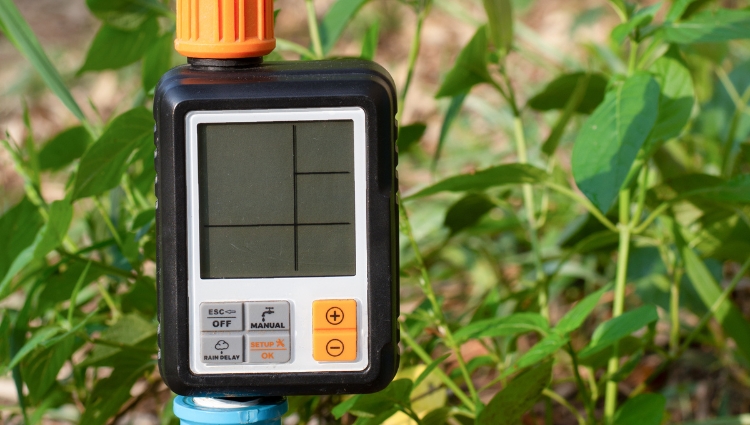
Ce type de produit (comme les minuteries) implique des composants électroniques, c'est donc plus complexe que d'autres produits. Les problèmes qu'il peut rencontrer incluent principalement un dysfonctionnement et quelques autres problèmes.. Il faut les analyser un par un. Voyons d'abord pourquoi un contrôleur peut ne pas fonctionner correctement.:
1. Panne de courant. Ce problème est lié au câble de connexion électrique, transformateur, fusible, et la tension de l'environnement de travail. Nous pouvons vérifier chaque composant de puissance un par un pour trouver la source du problème.
2. Dommages à la puce électronique. La puce électronique d'un contrôleur est comme un cerveau humain : une fois’est endommagé, l'ensemble du contrôleur ou même l'ensemble du système d'irrigation peut devenir paralysé. Pour ce problème, nous pouvons essayer d'envoyer des commandes de programme pour voir si le contrôleur peut toujours recevoir des instructions et fonctionner normalement.
3. Si la puce électronique va bien, nous devons alors déterminer si la passerelle du contrôleur, capteurs, et les récepteurs fonctionnent correctement. Pour la passerelle, vérifiez s'il peut se connecter à l'application mobile, et vérifiez également s'il y a des problèmes tels que la suspension du service de la carte SIM en raison de frais impayés. Pour les capteurs, le problème le plus courant est le colmatage : faites très attention à ce qu'il y ait un blocage dans le canal de commande.. Il en va de même pour les récepteurs.
Outre les problèmes ci-dessus, les contrôleurs, comme les minuteries, peuvent également avoir des problèmes lorsque le temps d'arrosage et la quantité d'arrosage définis ne correspondent pas à la situation réelle.. Ceci est probablement dû à une erreur de programme. Dans de tels cas, nous pouvons revérifier les paramètres de la minuterie, ajuster les paramètres, ou restaurer directement les paramètres d'usine et tout reconfigurer. Généralement, cela résout le problème du programme.
En outre, pour certaines vannes de régulation, comme les électrovannes, des fuites ou des dysfonctionnements peuvent parfois survenir. Cela est probablement dû à la pénétration de débris dans la vanne ou au vieillissement de la bague d'étanchéité.. Nous devons démonter la valve pour la nettoyer, vérifier si la bague d'étanchéité est usée, et n'oubliez pas d'effectuer un entretien régulier des électrovannes à l'avenir.
Conclusion
Bien, compte tenu de la longueur, cet article touche à sa fin. Il existe encore de nombreux problèmes dans les systèmes d’irrigation que je n’ai pas répertoriés ici. Si j'en ai l'occasion à l'avenir, Je continuerai à écrire plus d'articles pour les couvrir. Bien sûr, si les lecteurs ont des questions qu'ils aimeraient poser, N'hésitez pas à contactez-nous à tout moment.
Dernièrement, J'aimerais vous présenter notre entreprise. Rainfaun est un fabricant de produits d'irrigation dont le siège est en Chine. Nous produisons et exportons des produits pour l’irrigation goutte à goutte et par aspersion, tel que arroseurs d'irrigation, pistolets de pluie, buts, filtres, gouttes, ruban adhésif, Tapis à plat, nageurs, vannes, Tuyaux et raccords en PVC, Raccords PP, contrôleurs/minuteries, Et plus. Vous pouvez trouver plus d'informations À propos de Rainfaun et Nos produits sur ce site.
Si vous êtes intéressé à travailler avec nous, tu peux Cliquez ici Pour remplir le formulaire.
Auteur: Allen
Éditeur: Michael
Examinateur de contenu: Michael