Inhoudsopgave
PE-buizen zijn een veel voorkomend type kunststof watertoevoerleiding en worden veel gebruikt in veel pijplijntechnische projecten. Voordat u ze gebruikt, ingenieurs voeren doorgaans druktesten uit om te bepalen of hun drukdraagvermogen aan de eisen voldoet.
Tijdens het druktestproces, wanneer een PE-buis barst, de meeste mensen zullen aannemen dat dit wordt veroorzaakt door PE-buizen van slechte kwaliteit. Echter, de auteur wil erop wijzen dat er eigenlijk veel redenen zijn waarom PE-buizen kunnen barsten tijdens druktests. Naast kwaliteitsproblemen, het kan ook worden veroorzaakt door onjuist gebruik of omgevingsfactoren.
Onderstaand, de auteur zal een praktijkvoorbeeld delen om uit te leggen welke factoren ervoor kunnen zorgen dat PE-buizen barsten tijdens druktests.
Het delen van echte cases
Eén zomer, Een bouwteam was in de bergen onder de brandende zon pijpleidinginstallaties aan het uitvoeren. Voordat u de PE-buizen installeert, ze voerden er zoals gewoonlijk een druktest op uit. De nominale druk van deze partij PE-buizen bedroeg 1 MPa. Na het vullen van de leidingen met water, het bouwteam begon met het onder druk zetten en handhaafde de druk op 0,8 MPa.
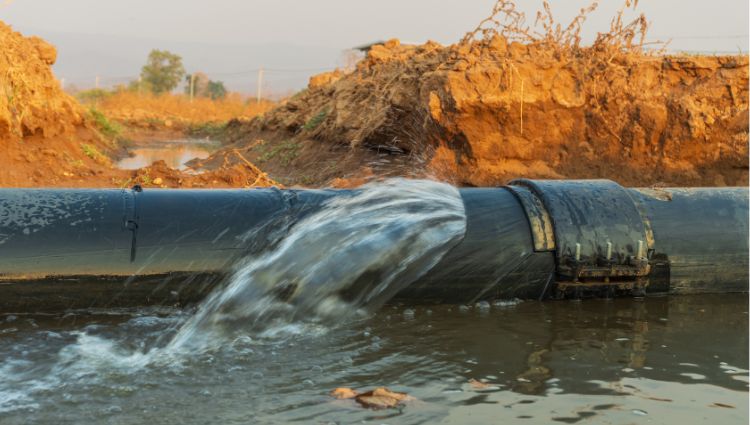
In het begin, alles was normaal. Echter, rond 11 uur in de ochtend, het bouwteam ontdekte plotseling dat het oppervlak van de buis was opgezwollen, en toen barstte de PE-buis. De nominale druk van de leiding was 1 MPa, maar het barstte bij slechts 0,8 MPa, wat uiteraard abnormaal was.
Als veel mensen dit zien, ze denken misschien dat er een kwaliteitsprobleem moet zijn met de PE-buis. Maar is dit werkelijk het geval?? Trek alstublieft nog geen conclusies. Volgende, de auteur zal de echte reden delen waarom de PE-leiding in dit geval barstte.
De echte redenen waarom PE-buizen barsten tijdens druktests
Kwaliteitsfactoren zijn altijd een veel voorkomend onderwerp geweest, en er valt niet veel meer over te zeggen. Echter, als we ervan uitgaan dat de kwaliteit van de PE-buis geen probleem is, welke andere onbekende redenen kunnen er zijn? Het bovenstaande geval laat perfect zien hoe onjuist gebruik en omgevingsfactoren ervoor kunnen zorgen dat PE-buizen barsten.
Hoogteverschil
We weten allemaal dat bergachtige gebieden zeer oneffen terrein hebben, met grote hoogteverschillen. Daarom, bij het uitvoeren van druktests op dergelijk terrein, speciale aandacht moet worden besteed aan het hoogteverschil.
Over het algemeen, een hoogteverschil van 10 meter kan een drukverschil veroorzaken van ongeveer 0,1 MPa. Als de druktest op een hoger punt wordt uitgevoerd, hoewel de manometer aangeeft dat de druk 0,8 MPa is, het is heel goed mogelijk dat de druk op het laagste punt van de pijpleiding al groter is dan 1 MPa. Hierdoor kan de leiding barsten.
De juiste methode is het installeren van manometers aan beide uiteinden van de pijpleiding bij het uitvoeren van druktests in bergachtige gebieden en het te allen tijde monitoren van drukveranderingen.
Omgeving op hoge temperatuur
Het uitvoeren van druktests onder direct zonlicht 's middags in de zomer is geen verstandige keuze. Dit komt omdat de ontwerpdruk van PE-buizen doorgaans betrekking heeft op de druk bij een omgevingstemperatuur van 20°C.
Volgens berekeningen, wanneer de temperatuur 30°C bereikt, het drukdragend vermogen van PE-buizen is slechts ongeveer 87%. Als de temperatuur stijgt tot 40°C, het drukdragend vermogen van PE-buizen zal slechts ongeveer zijn 74%.
Vooral nadat de leiding gevuld is met water, de zwarte buis absorbeert gemakkelijk warmte onder direct zonlicht. De watertemperatuur in de leiding kan zelfs oplopen tot 50-70°C. Op dit moment, het drukdragend vermogen van de buis is al sterk verminderd. Daarom, zelfs als de druk tijdens het testen lager is dan de nominale druk, het kan er nog steeds gemakkelijk voor zorgen dat de leiding barst.
Geen luchtafgifte
Wanneer PE-buizen worden blootgesteld aan zonlicht, thermische uitzetting en krimp kunnen optreden. Het water in de leiding kan verdampen, waardoor er druk ontstaat in de pijpleiding. Als er geen ontluchtingsventiel is geïnstalleerd, overmatige interne druk kan er ook voor zorgen dat de leiding barst.
De bovengenoemde drie redenen zijn in dit geval de belangrijkste oorzaken van het barsten van PE-buizen tijdens druktests, afgezien van kwaliteitsproblemen.
In het algemeen, PE-kunststofbuizen zijn niet geschikt voor omgevingen met hoge temperaturen, Daarom worden PE-buizen niet gebruikt voor het transport van warm water. Wanneer PE-buizen buiten worden geïnstalleerd, ze worden meestal ondergronds begraven. Het belangrijkste doel is om schade veroorzaakt door langdurige blootstelling aan zonlicht te voorkomen.
In aanvulling, als we kwaliteitsproblemen overwegen, Het barsten van PE-buizen wordt meestal veroorzaakt doordat fabrikanten tijdens de productie gerecyclede LDPE-materialen gebruiken. Hoewel dit de kosten en prijzen kan verlagen, het leidt ook tot een lagere drukweerstand van PE-buizen.
Stel je eens voor, zelfs een normaal geproduceerde PE-buis van gemaakt 100% nieuw materiaal is mogelijk niet bestand tegen hoge temperaturen, Om nog maar te zwijgen van pijpen gemaakt van gerecyclede materialen. Daarom, De auteur wil iedereen er ook aan herinneren om niet te kiezen voor PE-buizen van lage kwaliteit alleen vanwege de lagere prijs. Hoewel de initiële kosten misschien lager lijken, de daaropvolgende kwaliteitsproblemen kunnen grotere verliezen veroorzaken, wat het niet waard is.
Oké, laten we een volledige samenvatting maken van de belangrijkste redenen waarom PE-buizen barsten tijdens druktests:
- Het hoogteverschil veroorzaakt verschillende drukken aan beide uiteinden van de PE-leiding, Druktesten mogen dus niet op een hoog punt worden uitgevoerd.
- Blootstelling aan zonlicht bij hoge temperaturen vermindert het drukdragend vermogen van PE-buizen aanzienlijk.
- Het niet installeren van een ontluchtingsklep veroorzaakt een verhoogde interne druk in de PE-leiding.
- Kwaliteitsproblemen veroorzaakt door het gebruik van gerecyclede materialen.
Geschreven aan het einde
Dit bericht deelt de belangrijkste redenen waarom PE-buizen barsten tijdens druktests. Wij hopen dat het u kan helpen!
Eindelijk, Staat u mij toe ons bedrijf te introduceren. Rainfaun is een irrigatieproductfabrikant met hoofdkantoor in China. Wij produceren en exporteren druppelirrigatie, Sirrigatie van rinkler, kleppen, pijpen, en andere irrigatiegerelateerde producten. Op deze website kunt u meer te weten komen over ons bedrijf en onze producten.
Als u met ons wilt samenwerken, je kan Klik hier Om het formulier in te vullen.
Auteur: Michael
Editor: Michael
Inhoudsrecensent: Michael