Índice
Num contexto geral de escassez de água, a irrigação que economiza água tornou-se um conceito profundamente enraizado, e como usar razoavelmente a água para irrigação tornou-se um tópico muito importante.
Atualmente, sobre como conseguir irrigação com economia de água, existem principalmente duas abordagens convencionais eficazes: um se concentra na tecnologia de irrigação, e outro sobre recursos hídricos.
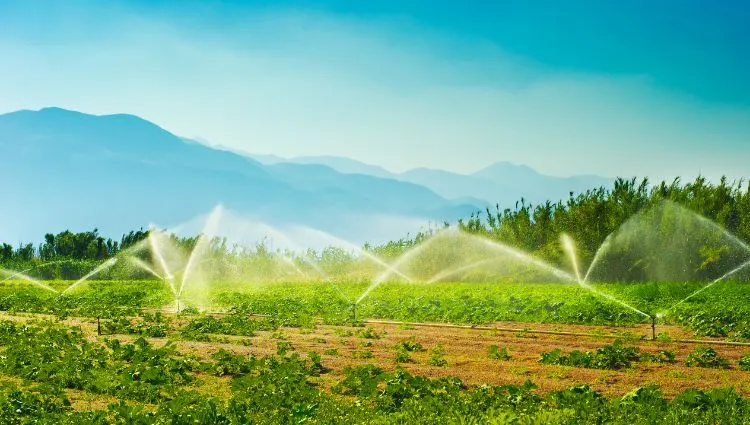
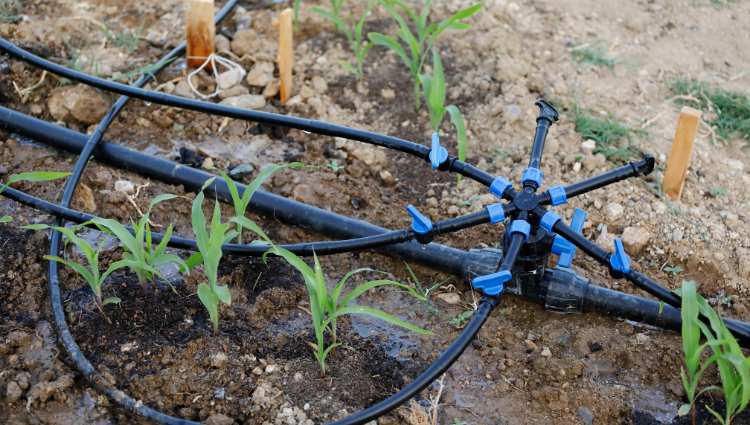
Em termos de tecnologia de irrigação, a irrigação com economia de água agora pode ser realizada através de métodos como irrigação por gotejamento e irrigação por aspersão. Quanto aos recursos hídricos, a reutilização de água e a utilização de água recuperada são soluções muito boas.
Portanto, vamos primeiro responder à questão levantada no título deste artigo: água recuperada pode ser usada na irrigação agrícola, e desempenha um papel muito significativo neste campo. Próximo, esta postagem irá compartilhar com você algum conhecimento sobre água recuperada e irrigação agrícola.
O que é água recuperada?
Água recuperada refere-se a águas residuais que foram tratadas para atender aos padrões de qualidade da água e satisfazer os requisitos de uso de determinados cenários específicos. Pode ser reutilizado várias vezes. Seu uso melhora efetivamente o ambiente ecológico e realiza a reciclagem dos recursos hídricos.
Aplicações de água recuperada
A faixa de aplicação da água recuperada é muito ampla e geralmente pode ser dividida em uso municipal, uso industrial, e uso agrícola. Por exemplo, em termos de uso municipal, a água recuperada pode ser usada para irrigação de parques e espaços verdes, bem como para pulverização de estradas e redução de poeira. No campo agrícola, água recuperada pode ser usada para irrigação de culturas, though it requires higher water quality standards.
Advantages of Reclaimed Water
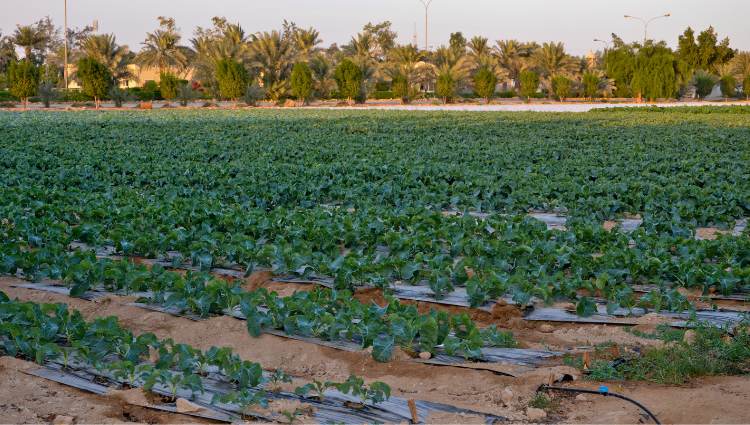
Aqui, we will mainly discuss the advantages of reclaimed water in the field of agricultural irrigation. As we all know, agriculture is one of the major consumers of water resources. Whether it is agricultural planting, crop growth, or the processing and manufacturing of agricultural products, all these stages require a large amount of water. In some countries, agricultural water consumption can even account for 70% or more of the total national water usage.
No entanto, in many regions, water scarcity has become an increasingly serious problem. Portanto, solving the issue of water shortage in agriculture has become an urgent task. Among the solutions, the use of reclaimed water in agriculture plays a crucial role.
Por exemplo, in Israel—a country where more than half of its land area is covered by desert and annual rainfall is less than 200 mm—although the situation is severe, this pressure has also pushed Israel to take a leading position in water-saving irrigation. By relying on the reuse of wastewater and the development of groundwater and other water resources, Israel has effectively used more than 90% of its reclaimed water in agricultural irrigation, setting a great example for the world.
The advantages of using reclaimed water for agricultural irrigation can be summarized as follows:
1. The implementation cost of reclaimed water technology is relatively low, and in the long run, it is very cost- and energy-efficient.
2. Reclaimed water is rich in essential nutrients required for crop growth, and using it for irrigation can effectively improve soil fertility.
3. The use of reclaimed water reduces sewage discharge, alleviates the risk of environmental pollution, promotes the recycling of water resources, and embodies the concept of sustainable development.
4. Different irrigation environments and crops have different water quality requirements, and reclaimed water can be flexibly adjusted according to specific conditions to meet particular irrigation needs.
Prospects of Reclaimed Water in Agricultural Irrigation
Atualmente, the most common applications of reclaimed water are in agricultural irrigation and landscape water use. Entre estes, agricultural irrigation has higher requirements for reclaimed water.
Reclaimed water that has been properly treated to meet standards is a very reliable water resource. It not only helps alleviate water shortages in agriculture but also reduces the pressure on natural water resources.
Além disso, reclaimed water contains moderate concentrations of elements (such as nitrogen and phosphorus) that have a positive effect on crop growth. Por outro lado, using reclaimed water for irrigation can lower water treatment costs, reduce wastewater discharge, and lessen environmental pollution.
Currently, the treatment technologies for reclaimed water include physical, chemical, and biological methods. These technologies can effectively remove harmful substances from wastewater and ultimately improve water quality. Although reclaimed water requires a certain amount of investment in the early stages, in the long term, it is a highly worthwhile investment. Portanto, many countries and regions are gradually promoting reclaimed water irrigation technologies.
Geral, reclaimed water has very broad prospects in the field of agricultural irrigation. Most notably, combining reclaimed water with water-saving irrigation technologies—such as drip irrigation and sprinkler irrigation—is the most recommended approach. This combination can maximize the efficiency of water resource utilization and bring the benefits of water-saving irrigation to their fullest potential.
What Are the Impacts of Using Reclaimed Water for Irrigation?
Although reclaimed water has many positive effects on irrigation, if not properly treated, it can also become a source of pollution in irrigated areas. Portanto, when using reclaimed water, it is essential to establish and strictly follow clear standards.
The impact of reclaimed water on irrigation is mainly reflected in four aspects: solo, plantações, groundwater, and the irrigation system.
Impact of Reclaimed Water on Soil
Reclaimed water can affect the properties and microorganisms of the soil. It may cause issues such as reduced soil porosity, compactação do solo, changes in soil pH, and an increase in heavy metal content.
Portanto, when using reclaimed water for irrigation, it is necessary to control its water quality and take soil type into account for proper irrigation management. Special attention should be paid to the changes in heavy metal contents in the soil (such as Pb, Cd, and Cr).
Professional studies have shown that irrigation with reclaimed water does not harm the soil in the short term. No entanto, long-term continuous irrigation over several years may lead to heavy metal accumulation that exceeds standard limits. To address this issue, heavy metal removal technologies (such as using heavy metal adsorbents) can be combined with reclaimed water irrigation to eliminate heavy metals from the water. This method can effectively reduce heavy metal pollution in the soil.
Impact of Reclaimed Water on Crops
Practical experience has shown that compared with conventional irrigation water, reclaimed water can, to some extent, increase crop yields. Por exemplo, crops such as rice, goji berries, and tomatoes tend to produce higher yields when irrigated with reclaimed water compared to river water.
No entanto, it is important to note that while the nutrients in reclaimed water can promote crop growth, excessive irrigation should be avoided. Overuse may lead to nutrient imbalance or soil salinization, which can inhibit crop growth.
Além disso, reclaimed water may contain heavy metals, pathogens, and other pollutants. Ao longo do tempo, these may accumulate and potentially enter the food chain, posing risks to other organisms. Portanto, it is necessary to strengthen monitoring, treatment, and pollution control to ensure that agricultural products meet safety standards.
Impact of Reclaimed Water on Groundwater
Long-term use of reclaimed water may also affect groundwater. Since reclaimed water contains organic matter, salt ions, and heavy metals, these substances can seep into groundwater systems, particularly affecting the quality of shallow groundwater.
To prevent groundwater contamination, various treatment technologies should be used, and continuous monitoring is required. Currently, since the use of reclaimed water for irrigation is still relatively short-term, no significant effects have been observed. No entanto, it cannot be guaranteed that long-term use will remain risk-free. Portanto, continuous observation and research on the impact of reclaimed water on groundwater are necessary.
Impact of Reclaimed Water on Irrigation Systems
The impact of reclaimed water on irrigation systems is mainly reflected in the fact that suspended solids, microorganisms, and particles in the water may clog irrigation pipes, aspersores, Churrings, e outros equipamentos, affecting the normal operation of the system.
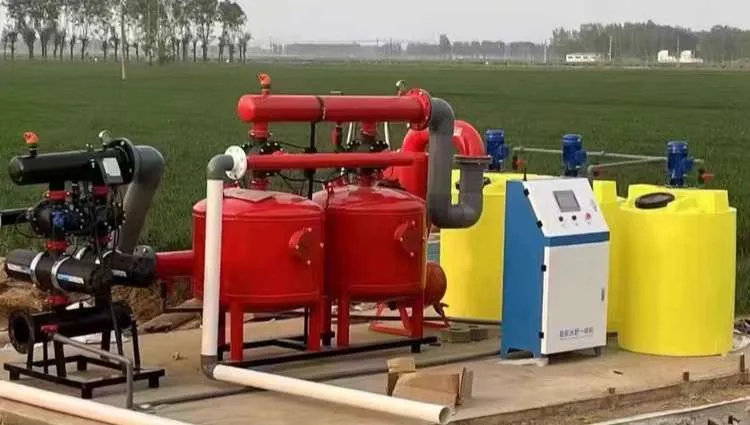
Portanto, during the use of reclaimed water, filtration and disinfection measures should be taken to prevent clogging of the irrigation system.
Do acima, we can clearly see that the most significant impact of reclaimed water irrigation lies in pollution issues. This is also the biggest challenge currently faced in its practical application.
Although reclaimed water irrigation offers many benefits, the technology is still not yet fully developed, and certain pollution risks remain. Portanto, more in-depth research is needed on this topic.
No entanto, the author believes that with technological progress, reclaimed water irrigation certainly has broad prospects and will be able to realize its great potential!
Palavras finais
This article has shared some knowledge about the use of reclaimed water in agricultural irrigation, and I hope it has been helpful to you!
Finalmente, Permita -me apresentar brevemente nossa empresa. Rainfaun é um fabricante de produtos de irrigação com sede na China. We produce and export various irrigation-related products such as Sistemas de irrigação por gotejamento, Sistemas de sprinklers, válvulas, e acessórios para tubos. Você pode saber mais sobre nossa empresa e produtos em nosso site.
Se você gostaria de trabalhar conosco, você pode Clique aqui Para preencher um formulário.
Autor: Michael
Editor: Michael
Revisor de conteúdo: Michael