Jedwali la yaliyomo
Soil moisture status is a technical term in the field of agriculture. It refers to the soil water content that is suitable for the growth and development of crops and plants.
For crops to grow well, the growing environment is very important. Among these factors, air temperature, soil temperature, and soil water content are especially crucial. Kwa mfano, during sowing, an air temperature of 15–18°C, a soil temperature of 14–16°C, and a soil water content of 16–20% are considered optimal.
Both insufficient soil moisture status and excessive soil moisture status are not suitable for crop sowing. In such conditions, problems may occur, such as seeds failing to germinate, slow germination, seed and seedling rot, low germination rates, and poor seedling growth.
Kwa hivyo, an appropriate soil moisture status is extremely important. Kwa kuongeza, there are significant differences between different levels of soil moisture status. Soil moisture status can be divided into six levels, and this post will explain the details of these six different levels.
Severely Dry Soil Moisture Status
When soil water supply continues to be insufficient and the soil water content is less than 5%, the land is in a state of severe drought. The soil appears grayish-white in color and may develop cracks, with the dry soil layer even reaching depths of more than 10 centimeters.
In this situation, the growth and development of crops will be severely harmed and they will quickly wither and die. In this kind of soil moisture status, sowing is not possible. If sowing is necessary, water must first be applied to increase the soil water content, and watering must continue after sowing to prevent the crops from dying.
Moderately Dry Soil Moisture Status
At this point, the soil water content is around 6–10%. The soil color appears yellow-gray or light gray. In this situation, the growth of crops is affected, and leaves will show continuous wilting and drying.
Sowing is also not recommended under this condition. The soil must first be watered to raise the water content before sowing, and additional water must be supplied afterward as well.
Slightly Dry Soil Moisture Status
At this time, the land is slightly short of water. The soil appears yellow, and the water content is around 12–15%, which is still below the optimal level for crop growth. In this situation, crops cannot grow well and may experience short-term wilting.
At this time, you can water the land first to increase the soil water content, and then sow the seeds. Or you can sow first and then irrigate to help the seeds germinate and grow.
Suitable Soil Moisture Status
At this point, the soil water content is around 16–20%, the soil appears brown, and the moisture is very suitable for sowing and seedling growth.
If your farm is equipped with an irrigation system, you can adjust the irrigation rhythm and frequency dynamically to maintain this state.
Excessive Soil Moisture Status
At this point, the land is very moist, and the soil water content exceeds 20%. The soil appears black or dark brown. In this situation, sowing is not suitable, otherwise seedling growth will be poor.
At this time, the land can be left to dry. Kwa mfano, let the land be exposed to sunlight on sunny days to lower the soil moisture status, and then sow.
Fully Saturated Soil Moisture Status
At this point, the soil water content is fully saturated. There will be persistent water accumulation in the field, and the water cannot be drained. Sowing is not possible, and crop growth will stagnate.
Katika kesi hii, the surface water needs to be drained first. Then the land should be dried using sunlight on sunny days to reduce soil moisture. Wakati huo huo, the surface of the soil can be lightly tilled to promote evaporation. Once the soil moisture reaches an appropriate level, sowing can be carried out.
Maneno ya mwisho
The above text introduced the different levels of soil moisture status. By understanding this knowledge, we can be better guided in crop cultivation. Kwa kweli, knowing this is also very helpful for adjusting our irrigation plans.
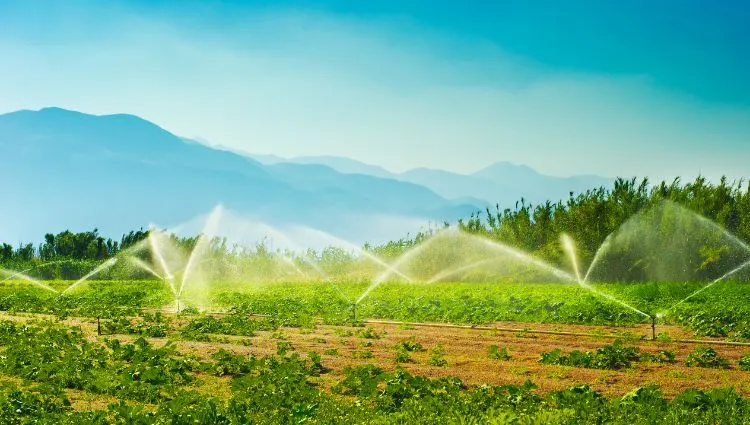
When the soil water content is too low, we can use the irrigation system to supply water to the crops and soil. If the soil water content is too high, we also need to stop irrigation in time to avoid damage to the crops caused by excessive water supply.
Kwa kweli, this process is dynamic. Don’t wait until the soil is already short of water or fully saturated before adjusting the irrigation system. Instead, adjust dynamically and in time based on the soil condition—when to irrigate and when not to irrigate.
Mwishowe, Tafadhali niruhusu kuanzisha kampuni yetu. Rainfaun ni mtengenezaji wa bidhaa za umwagiliaji zinazoelekezwa nchini China. Tunazalisha na kuuza bidhaa kama vile Umwagiliaji wa matone na Mifumo ya Sprinkler, pamoja na Drip ya umwagiliaji, Matone ya umwagiliaji, Dripline, mkanda wa matone, Drip, Mshale wa Drip, Kunyunyizia, Micro Sprinkler, bunduki ya mvua, vichungi, valves, Weka hose gorofa, Fittings za bomba la PVC, Vipimo vya PP, Vipimo vya Thread ya BSP, Na kadhalika. Unaweza kupata habari Kuhusu Rainfaun na bidhaa zetu Kwenye wavuti hii.
Ikiwa ungetaka kushirikiana na sisi, unaweza Bonyeza hapa kujaza fomu.
Mwandishi: Michael
Mhariri: Michael
Mhakiki wa Yaliyomo: Michael